Salento is the sun-baked tip of Italy's «heel», where two seas — the Ionian and the Adriatic — meet. Sometimes called the «Tuscany of the South», it rewards travellers with turquoise water, whitewashed towns, baroque cities and a food culture that is pure southern Italy. Here is a short English introduction; discover why it will be your pleasure.
A coast of two seas
The Ionian side, around Gallipoli, Torre San Giovanni and Pescoluse, is famous for long sandy beaches and shallow, warm water — Pescoluse is even nicknamed the «Maldives of Salento». The Adriatic side, around Otranto and Santa Maria di Leuca, is more rugged, with dramatic cliffs, sea caves and crystalline coves. In a single holiday you can experience both.
Ancient roots: Ugento and the Messapians
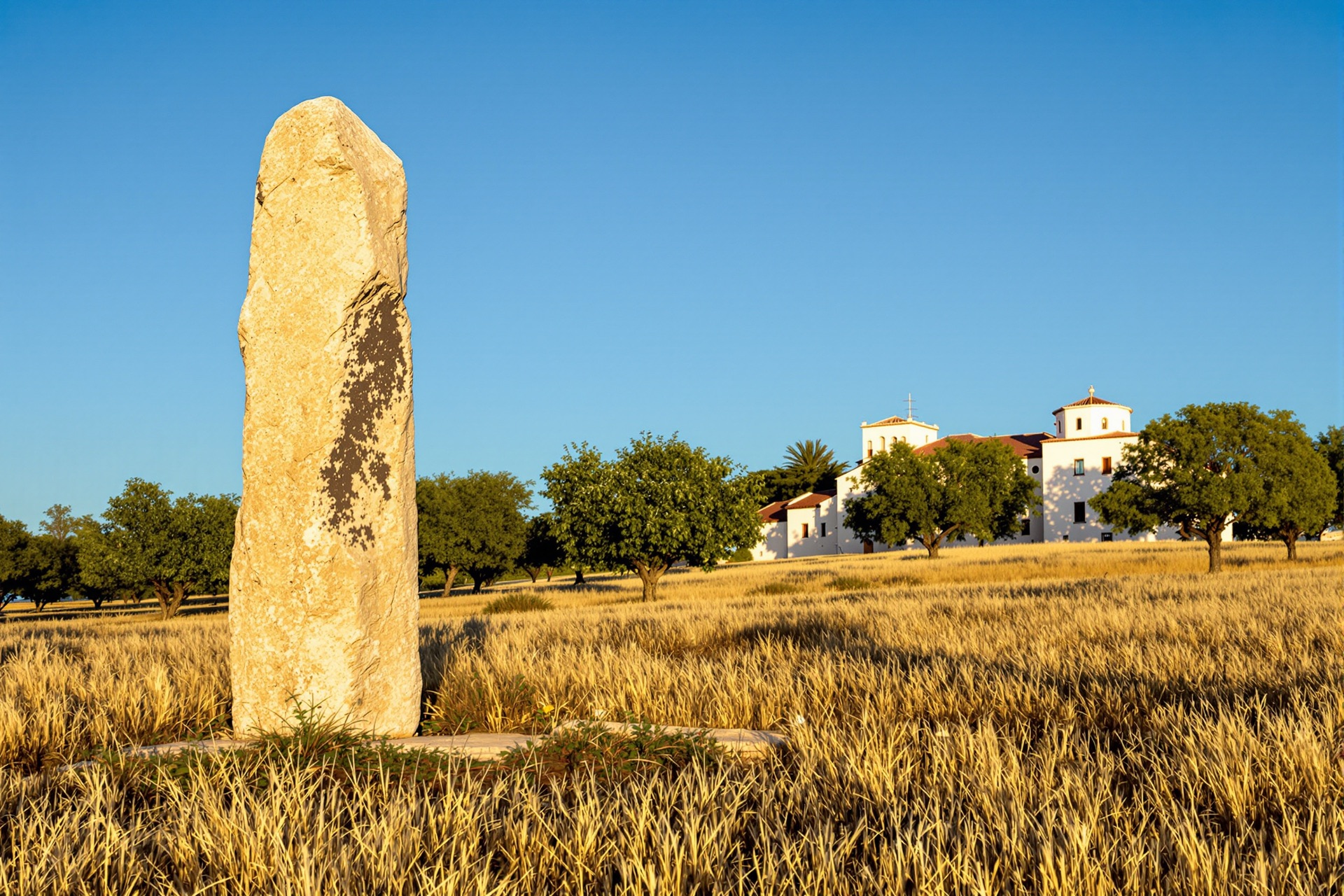
Salento's history runs deep. The town of Ugento (ancient Aoxentum) was already an important centre in prehistoric times: menhirs, dolmens and stretches of Messapian walls survive to this day. It later belonged to Magna Graecia and, under Rome, became the capital of a wide territory known as Portus Salentinus, its port at Torre San Giovanni.
Things to see in the area include the Museo Civico Archeologico, the 12th-century church of Santa Maria del Casale with its early-medieval frescoes, and the 16th-century Angevin coastal towers — one of which was turned into a lighthouse. Read more in our guide to Torre San Giovanni and Ugento.
Baroque towns and traditions
Inland, Lecce dazzles with its golden baroque stone, while Otranto — the easternmost town in Italy — guards the mosaic floor of its cathedral. Village life still follows the old rhythms: patron-saint festivals lit by dazzling luminarie, summer food fairs (sagre), and the hypnotic pizzica folk dance celebrated at the Notte della Taranta festival.
Food, wine and the good life
Salentine cooking is simple and generous: stuffed puccia bread, ciceri e tria (chickpeas with fried pasta), fresh seafood, and the beloved pasticciotto pastry. Local wines — above all Negroamaro and Primitivo — are worth a cellar visit. Our pages on where to eat and traditional recipes will get you started.
Getting around
Salento sits at the very tip of Italy's heel, in the province of Lecce. The nearest airports are Brindisi and Bari, both connected to the region by train and bus, while Lecce is the main rail hub. That said, the best way to explore the coast and the inland villages is by car: distances are short, roads are easy, and you will want the freedom to chase a beach or a sunset on a whim. For shorter hops along the coast, a bike or a scooter is cheap and delightful.
When to come
July and August are the liveliest — and busiest — months, with warm sea and endless festivals. For the same beaches with fewer crowds and better value, aim for June or September. Spring and autumn are perfect for exploring the baroque towns, the countryside and the food, without the summer heat. Salento genuinely rewards visitors in every season.
Planning your stay
A summer holiday in Salento is a classic: rent a seaside house or apartment, choose a quiet marina as your base, and let the days unfold between beach, table and discovery. Browse our accommodation guide. For official regional information, see Viaggiare in Puglia.